

Light That Learned to Question
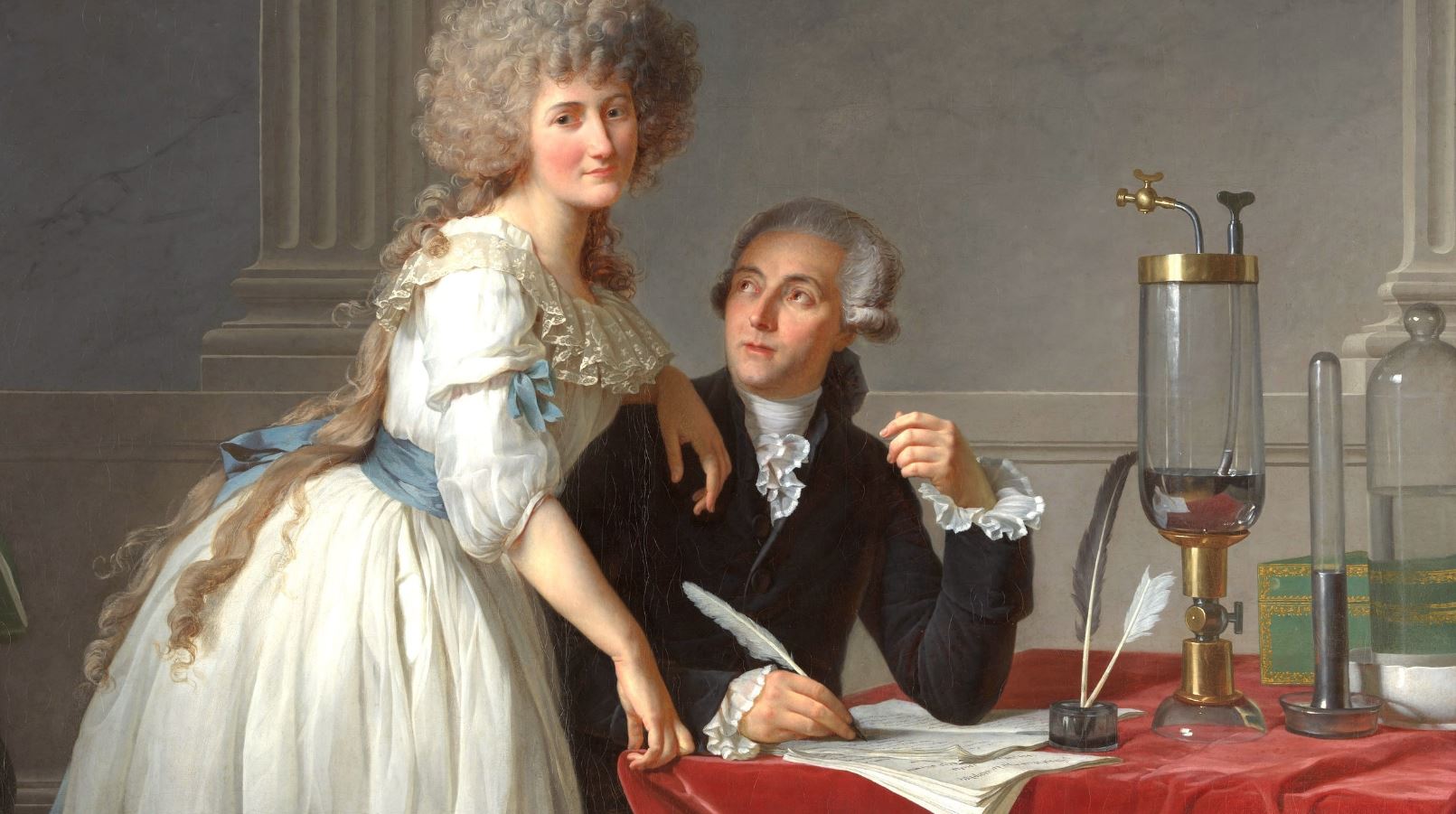
Curiosity, print, and conversation reshaped thought, art, and government across an entire century
From wonder to method
The Enlightenment grew from a simple conviction that reason could make sense of nature and society without appeal to fear or mystery, and that careful observation joined to clear language could turn scattered insights into reliable knowledge.
The laboratory meets the library
Experimenters tested air, light, and motion with instruments built in workshops, while scholars compiled results into treatises that others could repeat and refine, so that discovery became less a private triumph and more a public conversation bound to evidence.
Print as the engine of exchange
Cheap pamphlets, journals, and encyclopedias multiplied ideas faster than any court could censor, and printers became partners in philosophy as they carried natural histories, political essays, and travel narratives into parlors and markets where curiosity had money to spend.
Salons and the republic of letters
Hosts welcomed scientists, poets, lawyers, and visiting diplomats to rooms where argument replaced rank, where a sharp question could outrank a noble title, and where letters crossed borders to keep debates alive long after candles burned low and guests walked home.
Empiricism and the schooling of the senses
Thinkers argued that knowledge begins in experience, that the mind records impressions that can be compared, categorized, and tested, and that careful attention to how we know guards us against superstition and wishful thinking that dress up as truth.
Rationalism and the architecture of proof
Others insisted that reason provides foundations independent of experience, that clear definitions and well formed arguments can reveal principles that experiment later confirms, and that mathematics offers a model for certainty that philosophy should try to match.
Natural law and the dignity of the person
Writers proposed that certain rights belong to humans by virtue of their nature rather than by permission of princes, and that legitimate government must protect life, liberty, and conscience or else forfeit its claim to obedience.
Social contracts and the art of consent
Political theorists described society as a pact freely entered by citizens who trade some freedoms for security and justice, and they argued that power should be divided and checked, since unchecked power invites abuse no matter who holds the scepter.
Economic thought and the hidden order of markets
Observers turned their attention to farms, workshops, and ports, exploring how specialization and exchange raise productivity, how prices carry information across distance, and how overregulation can choke enterprise that would otherwise grow wealth for the many.
Religious reform and the ethics of tolerance
Clergy and lay writers alike pressed for a faith consonant with reason, for churches that persuade rather than coerce, and for states that protect belief and unbelief without taking sides, on the assumption that conscience answers to truth only when free to choose.
Science becomes a common language
Natural philosophers learned to write for readers beyond their guilds, explaining experiments step by step so that schoolteachers and artisans could follow, and in doing so they turned science from a secret art into a public trust that welcomes scrutiny.
The Encyclopédie as a map of knowledge
Editors gathered thousands of articles on crafts, sciences, and arts, honoring blacksmiths and instrument makers alongside scholars, and they presented useful knowledge as a civic good that increases with sharing rather than with hoarding.
Art changes its voice
Painters and architects traded heavy ornament for clarity and proportion drawn from classical models, while writers favored wit, satire, and moral fables that tested pretension and hypocrisy, and music explored form with elegance that seemed to match the ideals of balance and reason.
Education as a right not a privilege
Reformers argued that nations flourish when children of every rank learn to read, count, and reason, that schools should cultivate curiosity rather than obedience alone, and that knowledge of history and nature guards citizens against flattery and fear.
Law under the light of mercy
Jurists challenged cruel punishments and secret trials, promoted proportional penalties, and demanded that evidence be weighed openly, on the belief that justice earns respect when it explains itself and restrains its own power.
Medicine leaves the shadow of folklore
Clinicians recorded symptoms with rigor, compared outcomes across hospitals, and submitted remedies to statistical scrutiny, while anatomists and chemists collaborated to replace guesswork with physiology that could be taught and tested.
Geography widens the horizon of judgment
Travelers returned with accounts of distant customs that questioned the assumption that one court or one city holds the measure of civility, and readers used these accounts to reflect on their own laws and manners with fresh humility.
Women claim a seat at the table
Essayists and educators insisted that reason knows no gender, that denying education wastes talent that belongs to the whole community, and that virtues praised in men must be taught and honored in women if society seeks genuine improvement.
Colonial encounters and the problem of hypocrisy
Critics exposed the gap between lofty declarations of right and the realities of empire, slavery, and exploitation, and they argued that liberty cannot flourish abroad until it governs conduct at home with the same zeal shown in pamphlets and parliaments.
The press as watchdog and stage
Newspapers reported scandals and debates with a speed that startled ministers and monarchs, and the public learned to judge policies by argument rather than by ceremony, while satire reminded readers that laughter can disarm false grandeur more quickly than decree.
Coffeehouses and the birth of the public sphere
Tables sticky with ink and sugar hosted merchants, scholars, and artisans who traded prices in the morning and philosophy at noon, proving that citizenship thrives where strangers can dispute without fear and leave as neighbors who agree to keep talking.
Revolutions as tests of principle
Ideas about rights and representation moved from page to practice as colonies and kingdoms tried constitutions, assemblies, and declarations, and the world learned that liberty brings conflict as well as hope, since interests collide even when ideals align.
Technology gathers momentum
Improved pumps, engines, and instruments flowed from collaborations between theorists and craftsmen, and workshops turned into laboratories where measurement guided invention, laying groundwork for industries that would soon alter work and wealth across continents.
Nature described as system rather than theater
Botanists, astronomers, and geologists mapped regularities that link small causes to vast effects, from sap flow to planetary motion, and this taste for orderly explanation encouraged similar efforts in ethics and politics, where reformers sought causes of misery that policy could address.
Censorship meets resilience
Authorities seized books and punished printers, yet manuscript copies traveled in jackets and satchels, and banned ideas returned in disguised form, teaching both rulers and readers that suppression produces curiosity while argument produces clarity.
Language tailored for clarity
Writers avoided obscurity and ornament that hid weak claims, favoring examples, definitions, and short steps that let readers check each move, and this style of prose became part of the message itself, a demonstration that respect for reason begins with respect for the reader.
Moral philosophy beyond command
Thinkers proposed that sympathy, utility, and duty can ground ethics without recourse to fear, that happiness requires balance between private interest and public good, and that virtue grows from habits supported by institutions that reward honesty and pity.
States learn the craft of administration
Officials counted populations, cataloged resources, and reformed taxes, hoping to align revenue with fairness, while academies advised on roads, canals, and health, and the ideal of a competent civil service took root alongside older dreams of heroic rule.
Limits revealed by conflict
Not every plan survived contact with faction and tradition, and not every philosopher listened when workers and peasants spoke about bread and shelter, yet even failure taught future reformers to link lofty aims with practical steps that respect local knowledge.
Legacies that refuse to fade
Constitutions, schools, museums, and scientific societies carry forward practices first gathered in this age, and the habit of asking for reasons before giving consent remains the clearest tribute to a period that trusted debate more than decree.
The lamp that still needs tending
The Enlightenment did not end with a final volume or a final vote, it survives wherever people test claims with evidence, welcome criticism without rancor, and educate the young to prefer questions that open minds over slogans that close them, for the work of light is never finished and never beyond the reach of ordinary hands.