

Lanterns in the Long Night
Life, faith, and invention across a millennium that stitched ruins into realms and villages into continents
After the empire and before the map
When old capitals dimmed, people did not vanish, they reorganized around rivers, hillforts, monasteries, and markets, and in that web of small centers the outlines of new kingdoms appeared, guided by memory, custom, and the stubborn need to trade and pray.
Fields that fed the centuries
Farmers learned to rotate crops, to rest soil with legumes, and to harness heavy plows that bit into damp earth, and with horses pulling collar and shoe the furrows deepened, granaries filled, and villages stabilized into communities that could fund walls, fairs, and schools.
Manors, dues, and the grammar of obligation
Land bound lords and laborers together through rights and rents, courts met in open air to settle quarrels, and custom kept order where coins were scarce, so authority moved along paths of service, oath, and harvest rather than along clean lines on parchment.
Castles as statements of stone
Towers rose on mounds beside rivers and roads, their walls a promise of refuge and a warning to rivals, and within their yards smiths forged fittings, cooks stirred cauldrons, and scribes recorded rents, while keep and curtain taught travelers who held the land and for how long they planned to keep it.
Monasteries as engines of quiet power
Communities of prayer copied books, drained marshes, planted orchards, and welcomed the poor at their gates, and from their cloisters came calendars for sowing, cures for ailments, and the steady discipline that turns chaos into routine and routine into culture.
Cathedrals that taught stone to sing
Builders learned to lift weight onto ribs and pointed arches, to brace walls with flying supports, and to invite daylight through tall windows colored with stories, and as choirs rehearsed, townspeople raised funds, their devotion poured into glass and vault where heaven seemed to lean close to earth.
Guilds and the pride of craft
Artisans organized by trade, set standards, trained apprentices, and guarded secrets, and their halls echoed with debates over price and quality, while banners and processions affirmed that skill deserves honor in the eyes of neighbor and city alike.
Markets, fairs, and the road made of promises
Once a year or once a season, fields near towns turned into cities of tents where buyers met sellers from far valleys, contracts were sealed with handshake and tally, and a merchant learned that reputation travels faster than wagons, so honesty became a form of currency.
Coins, tallies, and the slow count of wealth
As trade widened, rulers minted silver and gold that carried faces and claims, clerks kept accounts with notched sticks that paired debt to proof, and bankers in busy streets discovered that trust plus record can move value farther than any rider.
Law that could be read aloud
Kings issued charters that fixed rights for towns and abbeys, juries weighed oaths and evidence, and collections of custom turned into codes, so justice shifted from whim to words, and a hearing became a place where ordinary people could expect a measure rather than a favor.
Knighthood, pageantry, and the cost of cavalry
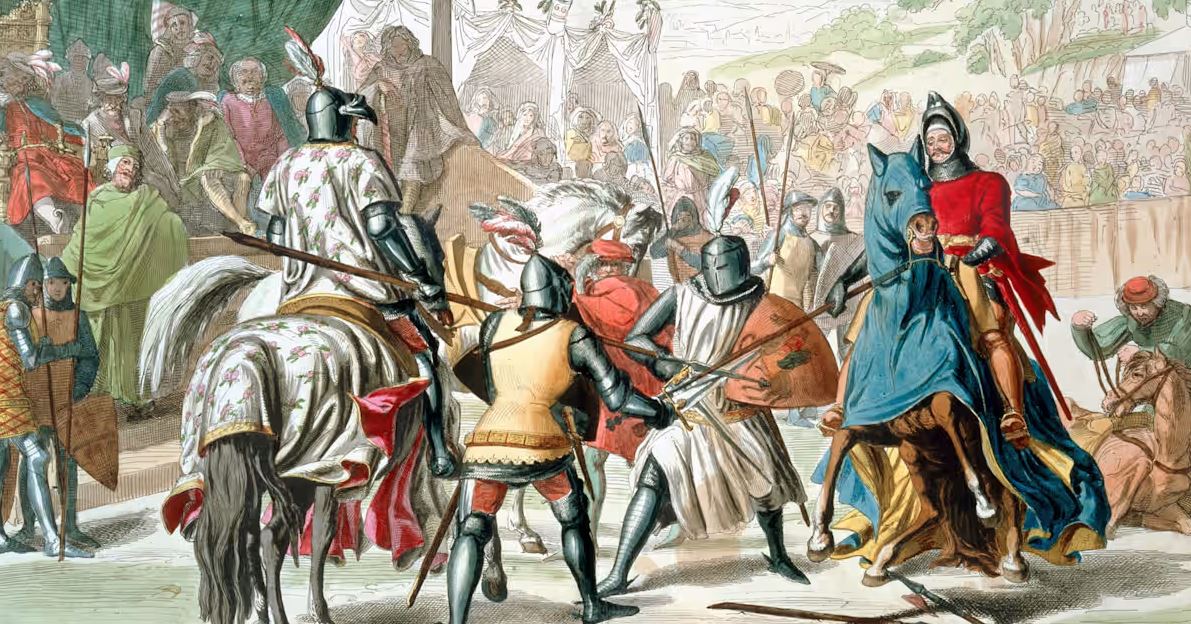
Warriors learned to fight from saddle with lance and shield, their training long and expensive, and tournaments mixed practice with spectacle, while poets layered honor onto violence until the song risked blinding the singer to the price paid by villages that supplied the grain and the sons.
Crusade as journey and as wound
Preachers summoned armies with promises of pardon and purpose, fleets and caravans carried zeal across seas and sands, and contact brought exchange of knowledge as well as strife, leaving ports richer, libraries fuller, and families on both shores counting chairs that would sit empty at supper.
Learning under arcs of stone
Schools near cathedrals gathered scholars who argued with logic about faith, nature, and law, and from that noise emerged methods that prized definition, distinction, and proof, habits that trained minds to separate opinion from demonstration even while they bowed to creed.
Books before presses and the patience of ink
Scriptoria hummed with quills, pigments, and gold leaf, where letters grew like vines along margins filled with saints, beasts, and jokes, and every volume represented months of labor, so ownership was rare and reading was a public act meant to be heard as much as seen.
Medicine between herb garden and bedside
Physicians studied ancient texts, midwives taught hands on wisdom, and hospitals run by orders cared for the poor with broths, baths, and prayer, and though cures often lagged behind hope, compassion kept records that later generations could test and improve.
Music that measured sacred time
Chant mapped prayer to melody with careful steps, later voices entered in measured intervals that braided harmony into worship, and instruments carved from wood and stretched with gut joined feast and procession, carrying rhythm from court to cottage.
Languages that found their written homes
Poets began to write in the speech of streets and farms, not only in learned tongues, and audiences heard their lives in tales of adventure, love, and fools, so literature crossed from cloister to square, proving that beauty belongs to every voice that can tell a story true.
Women who held keys and counsel
Mistresses of households managed stores and staff, abbesses governed lands and answered to bishops as equals in resolve, queens brokered treaties and regencies, and in workshops and markets women bargained, baked, brewed, and stitched value into the daily fabric of towns.
Travelers who mapped the narrow world wide
Pilgrims walked toward shrines with shells on hats and badges on cloaks, traders followed monsoon and steppe wind, and envoys crossed to imperial courts where silk hung like water, and each returned with spices, fables, and a memory that their village shared a planet with strangers who laughed at different jokes.
Paper, compass, and the cleverness of small things
Techniques moved west and north along trade routes, paper lowered the cost of record, the magnetic needle pointed through cloud and night, and waterwheels learned to pound fiber, grind grain, and drive hammers, tiny changes that together shifted the balance between toil and time.
Cities that learned to breathe behind walls
Streets twisted around wells and markets, bridges carried houses above rivers, and councils taxed to pay for guards, lamps, and ditches, while towers of pride competed with spires of prayer, both signs that neighbors had decided to live close enough to need rules and to benefit from trust.
The long fight with hunger and fear
Harvests failed in clusters of cold years, armies took what taxes missed, and sickness rode crowded roads, yet resilience grew with each trial, for communities stored grain, built levees, and wrote letters for help that sometimes arrived in time to turn panic into patience.
The plague and the ledger of loss
When pestilence swept through ports and fields, bells tolled until ropes frayed, families thinned, and wages rose from scarcity of hands, and survivors rebuilt rules about labor, charity, and law, reshaping contracts and conscience in the shadow of grief.
Faith that filled calendars and kitchens
Holy days marked seasons with fasting and feast, processions blessed seed and ship, and the parish knit neighbors through baptism, marriage, and burial, while folk customs braided local memory into the larger story told from pulpits and read from missals.
Art that gilded ordinary hope
Wall paintings showed saints with faces like the mason next door, carvings on pews hid foxes in robes to scold the sly, and tapestries warmed stone halls with hunts that never tired, all proof that imagination made rooms larger than their walls.
War that learned new tricks
Bows sent arrows farther than lances could reach, pits and stakes broke charges, and hired companies chased coin across borders, so generals adjusted pride to physics, and treaties tried to catch breath between campaigns that seemed to follow harvest like a second season.
Diplomacy that replaced siege with sentence
Envoys traded letters with seals that stood for persons and powers, marriages stitched houses together across mountains, and truces fixed clocks for trade and sowing, a recognition that words can save more barns than battering rams ever could.
Time kept by bell and gear
Clockmakers lifted weights and trained escapements to tick with regular grace, town squares learned the comfort of hours named aloud, and work, prayer, and market slowly adjusted to a rhythm less tied to sun alone, a quiet revolution made of teeth and pendulum.
Universities and the passport of degrees
Scholars clustered in towns where law protected their travel and debate, faculties issued licenses to teach, and a graduate could move from city to city with letters that proved skill, so knowledge began to circulate with a speed that only safety and shared language can provide.
Frontiers that pushed and pulled
Forests yielded to fields while marches hardened into borders watched by towers and patrols, yet smugglers and shepherds crossed as they always had, reminding rulers that lines need cooperation to become real and that neighbors can share a river without sharing a crown.
Memory woven into legend
Bards and chroniclers preserved victories and shames, kings hired authors to explain the past in ways that honored the present, and villages told stories that made sense of storm and fire, creating a shared imagination that outlived the people who first spoke it.
Portents of a different dawn
By the later centuries, workshops experimented with screws and presses, painters studied light with restless care, and merchants counted faster with new methods, signals that the habits of the age were learning to look forward as often as they looked back to the wisdom of ancestors.
The thread that never snapped
Across famine, war, devotion, and work, the medieval era tied fragments into fabric, it taught communities to endure with craft and worship, to govern with custom and oath, and to measure progress not by spectacle alone but by the steady improvement of roofs, roads, bread, and books that kept the future from slipping through their hands.