

Breadlines Beneath Bright Billboards
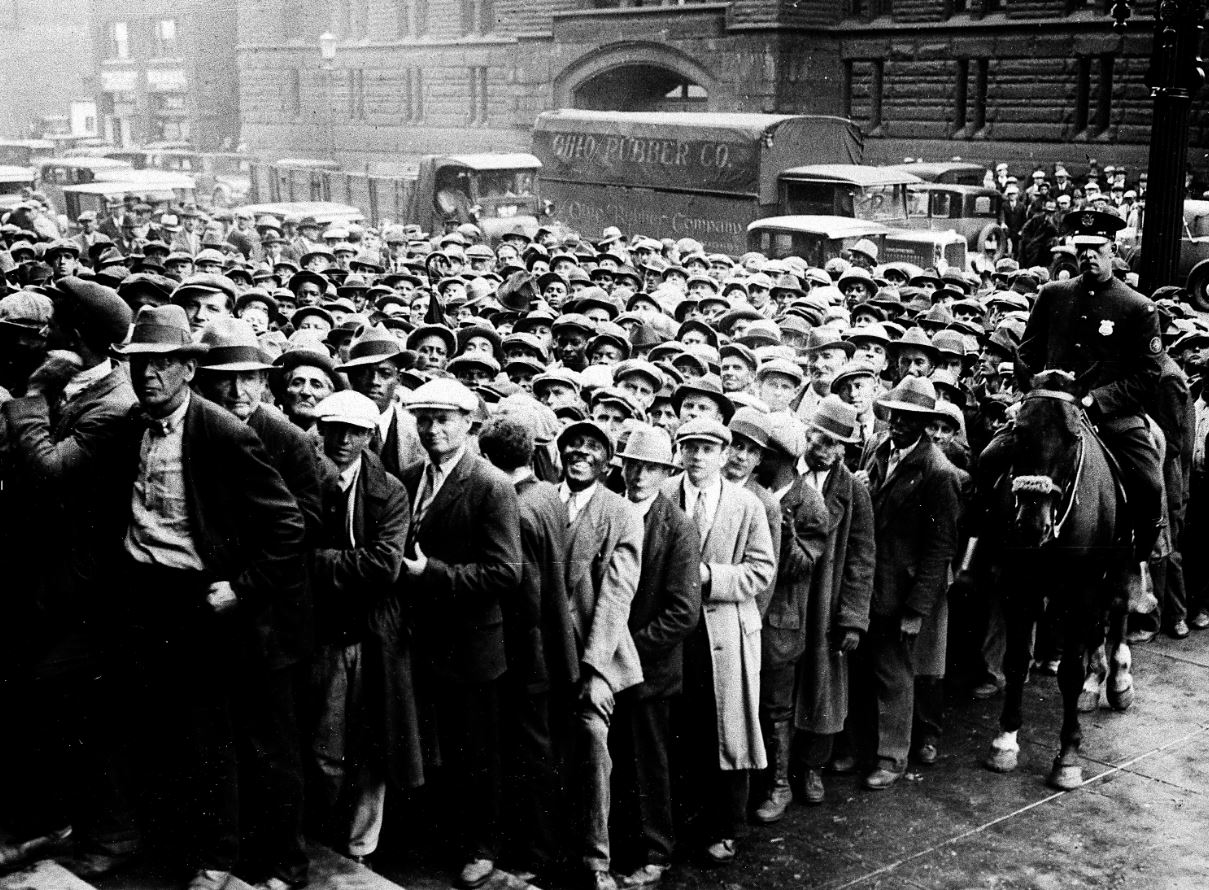
The decade of optimism unraveled into scarcity and how communities rebuilt trust one rule and one meal at a time
The long boom that set the trap
Through the mid nineteen twenties factories expanded, radios crackled in living rooms, and stock tickers taught small savers to speak in symbols and points. Credit offered new refrigerators and new cars, cities paved streets with smooth asphalt, and brokers told clients that prosperity had learned to climb without rest. Farms produced bumper crops with tractors and fertilizer, warehouses filled with manufactured goods that seemed to have an infinite market, and bonds from distant places promised rich coupons with little risk. The surface looked sturdy, yet beneath it inventories piled too high, consumer debt pressed against wages, farm prices sagged year after year, and banks carried loans that would prove fragile once confidence bent.
Autumn when paper lost its shine
As the summer of nineteen twenty nine faded, warnings appeared in shipping orders and factory hours. A few investors sold to lock in gains, others followed, and prices slid as margin calls forced sales into already falling markets. By late October the floor of the exchange felt like a storm with waves of orders hitting clerks who could not clear them before the next swell arrived. The crash did not cause every later failure, yet it burned the bridges of belief that had held buyers and lenders together, and without those bridges routine stress turned into panic.
Banks that stood until whispers moved faster than ledgers
Most banks were small institutions that served a town or a neighborhood, they carried farm mortgages and local business notes, and they relied on deposits that could vanish in a morning. A rumor that someone had asked for a large withdrawal became a line at the door, and a line became a stampede as neighbors copied neighbors. Failures in one county frightened another, and even sound banks closed as cash vanished into mattresses and strong boxes. Credit tightened for merchants who needed to stock shelves, and without goods on hand the stores cut staff, which removed wages from the very streets that held the stores upright.
Factories that counted days between orders
Industrial firms could produce more than the country could presently buy, so managers cut shifts and then halted whole lines. Steel cooled in idle mills, freight cars sat on sidings with no destination, and city whistles that had marked shift changes now marked silence. Skilled workers hunted for odd jobs, apprentices jumped to any trade that would have them, and families stretched meals with soups and casseroles that made a little protein feed many mouths. The slump spread because each layoff removed a customer, and each lost customer removed another job, a chain that built its own momentum.
Farm fields that grew grain and worry together
Farmers were already hurting before the crisis because world markets had been glutted since the end of the Great War. Prices for wheat, cotton, and livestock slipped below the costs of seed and feed, so families borrowed against next year with hope that weather and markets would improve. Instead, credit closed, harvests fetched pennies, and banks foreclosed with a speed that shocked communities that had counted on patient relationships. Auctions forced families from homesteads built by grandparents, and the empty houses stood like peeled trees after a storm.
Dust in the wind and the science of soil
Drought struck the plains as plows had already torn the protective mat of prairie grass. Winds lifted topsoil into dark clouds that rolled toward towns and cities, grain elevators filled with grit instead of profit, and children wore wet cloth over their noses to filter the air. Conservation agents taught contour plowing, shelterbelts, and fallow cycles that let land heal, while the federal government offered seeds, feed loans, and work camps for crews that planted trees and repaired gullies. The lesson was harsh and plain, that prosperity without stewardship invites nature to collect its unpaid bills all at once.
Families in motion with suitcases and hope
Unemployed men rode freight trains in search of any shift at a mine or a mill, women took in laundry or boarders, and children gathered coal that fell from tenders or vegetables at closing markets. Rural families loaded trucks for long drives to fruit belts and vegetable fields where seasonal work offered a few dollars between school terms. Churches opened basements to serve stews, mutual aid halls organized coupons and tool sharing, and city parks hosted lines where volunteers poured coffee for strangers who would become friends.
Charity that bridged months and policy that built scaffolds
Local relief could ease hunger for a season, yet the scale of the downturn required institutions that reached from capitol to county. Cities experimented with emergency kitchens, then wrote to governors for funds, and governors wrote to national leaders for loans and grants. New programs hired job seekers to build trails, roads, and schools, paychecks returned life to corner stores, and payroll taxes established insurance that would pay small checks to the elderly so that younger workers could keep their full wages. The scaffolding took time to assemble, but once it stood, the worst fear loosened its grip.
Money that learned to move through broader pipes
Reformers argued that the banking system needed a stronger spine and that depositors needed a reason to keep savings inside vaults rather than under beds. New rules insured small accounts up to a fixed amount, examiners closed the most fragile banks cleanly, and surviving institutions merged under careful oversight. A central authority learned to pump liquidity during crises, to lend against sound collateral, and to act as a buyer when private markets froze. Trust returned because people could see that the rules now matched the real shape of danger.
Markets with new referees and clearer scorecards
Stock exchanges adopted rules that slowed frantic selling, brokers reported positions with more transparency, and public companies filed regular statements that auditors could check. A commission watched for manipulation and for insider trades that tilted the table against ordinary investors. Confidence is a public good, so the law sought to price honesty into the system by punishing fraud with certainty rather than spectacle. Over time, small savers returned because they could read reports that meant what they said.
Art that carried sorrow and grit to the gallery
Photographers traveled with government assignments and with private curiosity, they captured mothers who stared into distances and children who slept in cars while parents picked crops. Novelists wrote about factories that closed and farms that blew away, songwriters gave the unemployed a voice that carried on radios, and painters found beauty in cranes and bridges that rose from public jobs. Culture did not solve hunger, yet it created empathy, and empathy shaped votes that funded food and work.
Schools that kept doors open despite thinner ledgers
Teachers took pay cuts, classes met in churches when heating bills closed schoolhouses, and parent groups organized milk programs so that children could learn with clearer heads. Vocational schools trained young people in carpentry, drafting, and typing, since skill could turn a short contract into a permanent position. Libraries doubled their circulation, because families without money still owned time and curiosity, and librarians became guides who helped the newly poor rewrite their plans.
Global currents that linked harbors and harvests
The crisis did not stop at borders, it moved along cables and trade routes in ways that confounded earlier thinking. Countries raised tariffs to protect local jobs, yet the walls cut orders abroad and shrank shipping lists for everyone. Nations that owed war debts found payment nearly impossible as their exports fell, credit systems jammed across continents, and political movements promised hard answers to hard times. Cooperation returned slowly through conferences that devalued currencies together and through swaps that stabilized exchange, a reminder that money behaves like water when pipes are shared.
Political storms and the search for a steady hand
Voters tried one set of leaders and then another, they weighed austerity against stimulus, and they wrote letters with stark stories that filled national archives with daily testimony. Some regions flirted with extremism, yet many communities chose moderation that paired relief with reform. The public learned to read policy like a ledger, and the leaders who explained tradeoffs clearly earned trust even when outcomes took months to appear.
Public works that turned wages into landmarks
Dams rose on rivers that had flooded towns for generations, bridges connected neighborhoods that had peered at one another across water, and schools with tall windows welcomed children who had studied in dim rooms. Trails cut into hillsides carried hikers past stonework built by crews who signed their work with care even though no plaque carried their names. Parks, courthouses, and airports became monuments to the idea that a paycheck can be a tool and a lesson at the same time.
Science of numbers and the birth of new indicators
Economists built measures that could capture unemployment, output, and prices with regular intervals that allowed comparison across seasons and across years. Statistical agencies learned to publish series that did not hide behind jargon, newspapers printed charts that ordinary readers could follow, and mayors used figures to decide where clinics and kitchens would do the most good. Numbers did not feed people by themselves, yet they helped a nation aim its resources with fewer blind spots.
Small business survival through patience and invention
Barbers offered shaves on credit with small cards that tracked pennies, tailors repaired old coats to keep customers warm, and corner grocers allowed tabs that families paid when a father found a week of work. Some owners added services, a cobbler sold laces and polish, a printer offered typing and translation, a mechanic taught clients how to perform basic maintenance to stretch a car for another year. These practices softened the fall and kept storefronts lit on streets that otherwise would have gone dark.
Household wisdom that crossed porches and fences
Neighbors traded recipes that used oats and beans with imagination, mothers formed babysitting circles so that parents could take shifts, and fathers pooled tools for weekend repairs on roofs and fences. Home gardens replaced lawns, pressure canners lined pantry shelves, and quilts stitched from worn shirts kept children warm at night. Pride learned to bow to practicality, and communities discovered that dignity grows when hands are busy and shared.
Courts, evictions, and the law of second chances
Judges faced dockets filled with foreclosure and arrears, sheriffs faced crowds that pleaded for time, and legislatures debated moratoria that would keep families housed. Compromises allowed refinancing at lower rates, work out plans saved some farms and shops, and legal aid societies taught debtors how to speak in court with confidence. The law learned compassion not as sentiment but as efficiency, since a vacant property ruins a block faster than a stretched contract ever will.
Recovery that crept instead of sprinted
Employment rose in steps rather than in a rush, factories reopened sections of floors, and farms planted more acreage once rain returned and credit loosened. Consumers replaced worn goods first, shoes and coats and stoves, then they considered larger purchases that required loans. Investors reentered markets as dividends resumed, and towns that had boarded windows began to repaint trim. The memory of scarcity lingered, which kept saving rates high even as incomes improved, a habit that would steady families during the next shock.
What the decade taught about risk and care
The Great Depression revealed that prosperity depends on trust as much as on talent, that policy without data drifts, and that markets without referees invite the bravest to take chances that endanger the rest. It taught that relief must arrive quickly, that work carries dignity along with dollars, and that banks should be boring and strong. It showed that farms and cities share one fate, because bread moves in one direction and money moves in the other, and each starves without the partner.
Memorials of resilience in brick and song
Dams still hum with turbines, schools still echo with voices, bridges still carry trucks and buses, and photographs still teach students the cost of careless policy and careless pride. Folk songs live in recordings that remind listeners how laughter and sorrow can share a verse. Museums exhibit grocery tokens, ration books, and relief posters, not to glorify hardship, but to honor the quiet craft of survival that carried a nation across rough water.
Lessons that outlast the hunger
When memory fades, risk returns disguised as novelty, so the record deserves revisiting with honesty and care. Balanced rules, transparent numbers, sturdy banks, and quick relief make a society nimble, and nimble societies do not panic when markets stumble. The most durable monument of the era is not a dam or a road, it is the habit of looking out for one another when luck turns, because neighbors who share work and food write a kind of insurance that no ledger can equal.